
Eco-Adventures in Egypt: Thrills with a Conscience
From diving vibrant reefs to trekking rugged desert trails, here is how to experience Egypt's most thrilling adventures while protecting the landscape.
Egypt is a land of extremes, offering some of the most dramatic landscapes on the planet. But these incredible environments, from the ancient monuments of the Nile Valley to the delicate coral reefs of the Red Sea, need protecting.
Here is how you can experience the ultimate Egyptian adventure while leaving a positive footprint behind.
Dive the Red Sea Responsibly
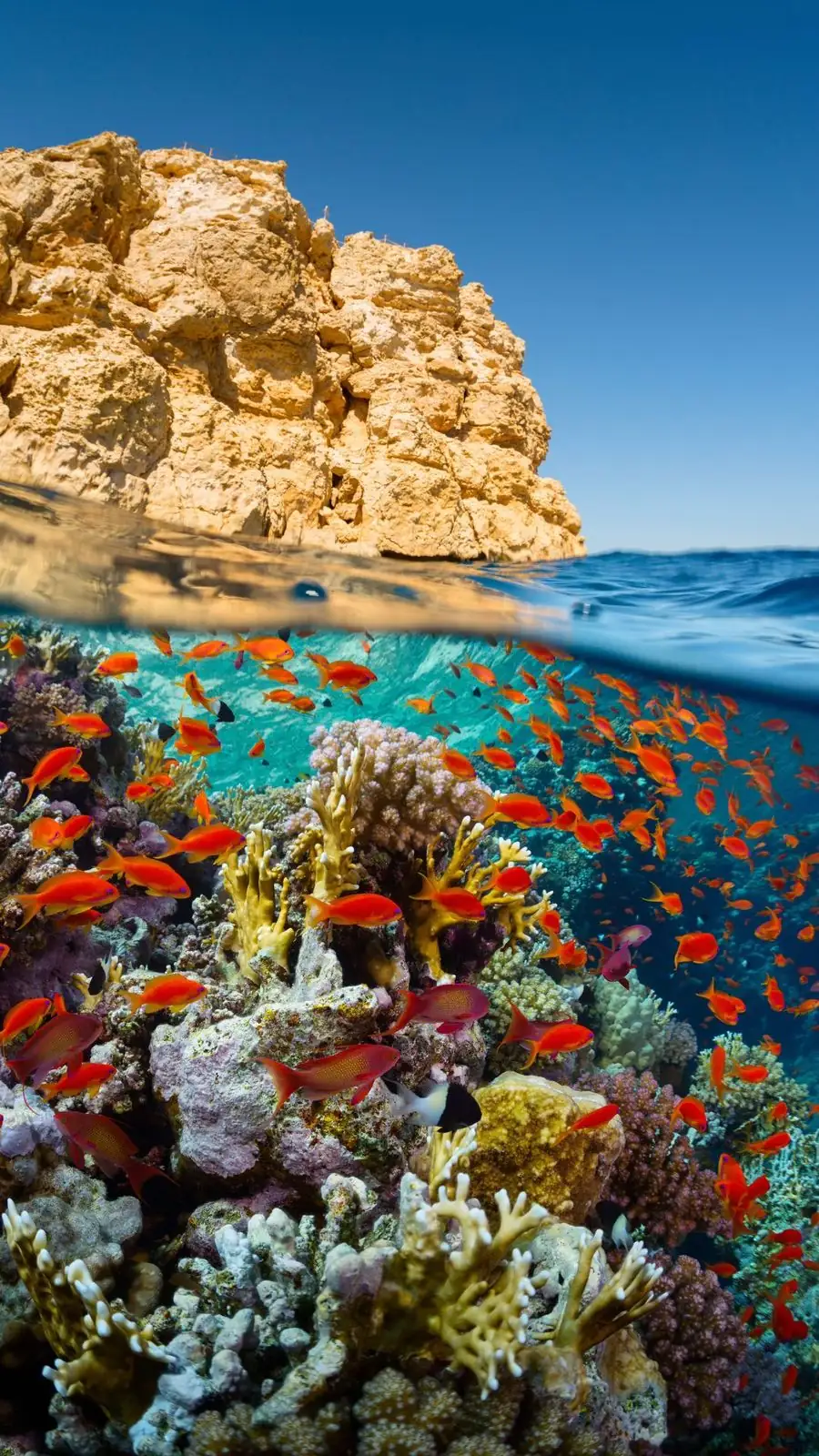
The Red Sea's coral reef system is a world-renowned playground for scuba divers and free-divers. To keep it that way, your underwater adventure requires a few ground rules:
- Opt for reef-safe mineral sunscreen to prevent chemical bleaching.
- Maintain perfect buoyancy, never touch, kick, or stand on the coral.
- Choose dive operators who actively participate in marine conservation and enforce strict no-anchor zones.
Conquer the Desert Without a Trace
Exploring the vastness of the Sahara or the rocky peaks of the Sinai Peninsula is an unforgettable experience. Whether you are sandboarding, hiking, or camping under the stars, the desert is fragile.
We partner directly with local Bedouin guides who are the original custodians of the land. By sticking to established trails and packing out every piece of waste, you help ensure these wild spaces remain pristine for the next generation of explorers.
Sail the Nile the Traditional Way
For the ultimate slow-travel adventure, skip the massive motorized cruise ships and board a traditional wooden *felucca*. Relying entirely on the wind and the river's current, sailing a felucca is an incredibly peaceful, zero-carbon way to navigate the Nile. You will sleep under the stars, dock at small, untouched river islands, and experience the water exactly as the ancient Egyptians did.
Respect the Ancients
When exploring tombs and temples, the adventure is in the discovery. Help preserve the magic by adhering to touch-free zones, the natural oils on human skin accelerate the erosion of 4,000-year-old carvings. Take your photos, absorb the immense scale of the architecture, and leave the sites exactly as you found them.