
The Valley of the Kings: What to Know Before You Go
Egypt's most famous royal burial ground holds 60-plus tombs. Here's how it works and how to make the most of it.
On the West Bank of the Nile at Luxor, the Valley of the Kings is where the pharaohs of Egypt's golden age were buried in secret, rock-cut tombs. Standing inside one, surrounded by colour that's survived thousands of years, is one of Egypt's great experiences. Here's what to know.
How it works
The valley holds more than sixty tombs, but not all are open at once; a rotation protects them. A standard ticket includes entry to a set number of tombs, with a few star attractions, like the tomb of Tutankhamun and that of Seti I, requiring a separate ticket. Your guide will steer you to the best ones open on the day.
Which tombs to see
The most beautifully decorated tombs are often the less famous ones, where the carved and painted walls are astonishingly vivid. Tutankhamun's tomb is small and the treasures are now in the Grand Egyptian Museum, but seeing his actual burial place still carries a thrill. Ask your Egyptologist which currently-open tombs are the most spectacular.
Beat the heat and crowds
This is a hot, exposed site. Go early in the morning, bring water, a hat and sunscreen, and pace yourself. The light is best and the temperatures kindest before mid-morning.
What else is nearby
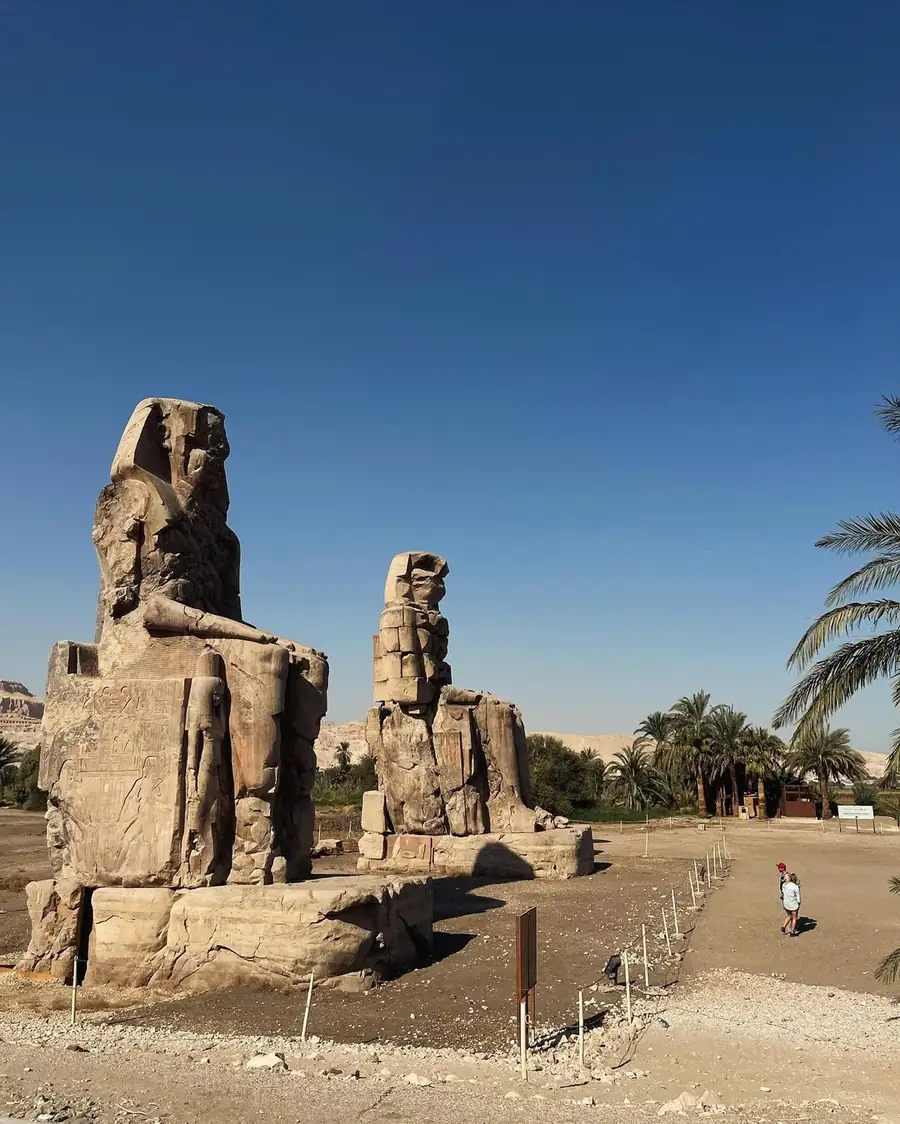
Pair the valley with the dramatic terraced Temple of Hatshepsut and the towering Colossi of Memnon, which sit close by on the same West Bank. Together they make a perfect Luxor morning. For the wider city, see our things to do in Luxor guide.
The best way to visit
The valley is a standard stop on a Nile cruise, reached with a private Egyptologist who brings the tombs to life. Browse our 8-day Epic Journey or just tell us your dates.
Cite this page
Mostafa Ahmed (2026). “The Valley of the Kings: What to Know Before You Go”. Egypt Top Light Travel. https://egypttoplight.net/blog/valley-of-the-kings-guide.
You are welcome to quote or reference this page. A link back to the source is appreciated.