
Philae Temple: The Island Sanctuary of Isis in Aswan
The Temple of Isis at Philae was rescued from the rising Nile and rebuilt island by island. A guide to one of Aswan's most beautiful and moving sites.
Rising from an island in the Nile near Aswan, the Temple of Isis at Philae is one of Egypt's most romantic and best-loved temples, and one of the last places the old religion was practised. It is a highlight of any journey into the Nubian south.
The temple that was moved
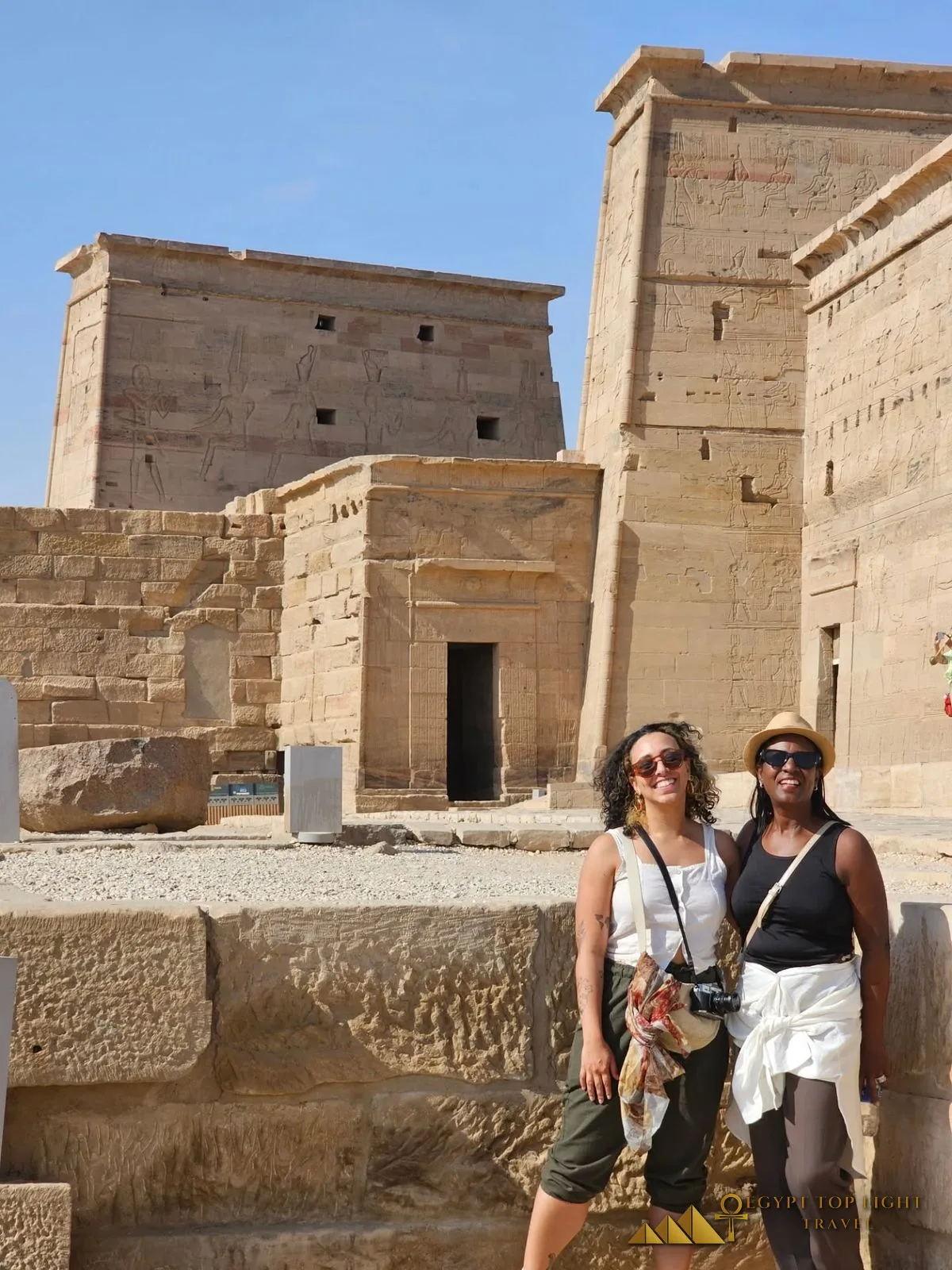
When the Aswan High Dam was built, Philae was going to vanish beneath the rising water. In an extraordinary international rescue, the entire temple was dismantled and rebuilt, stone by stone, on the higher island of Agilkia nearby. What you visit today was moved to save it, a modern echo of the same effort that saved Abu Simbel.
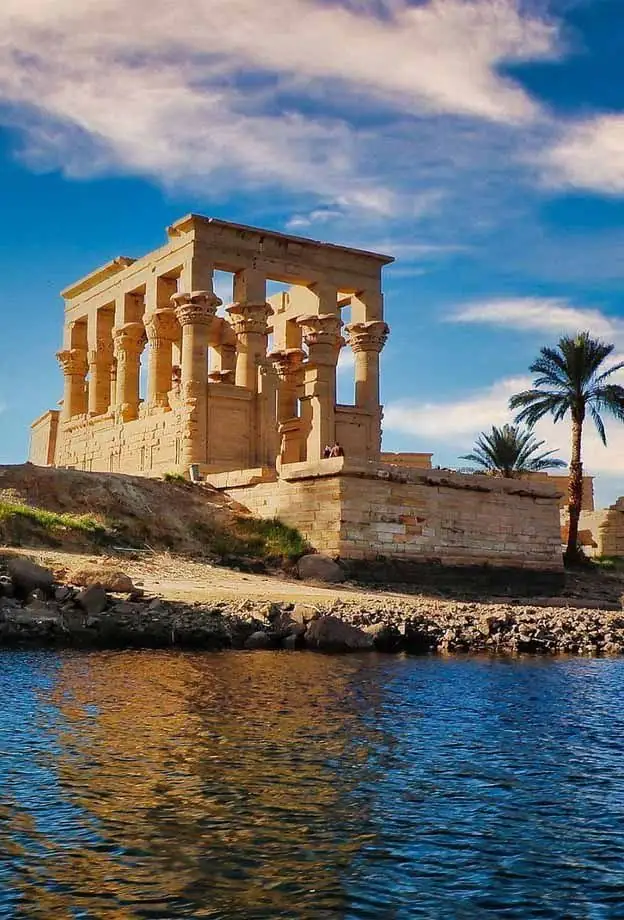
Isis, and the last hieroglyphs
Philae was dedicated to Isis, one of the most powerful goddesses of the ancient world, mother of Horus and central to the story of Osiris. The temple stayed active long after most others closed, and it holds some of the very last hieroglyphic inscriptions ever carved. Standing here connects you to the deep end of an African religious tradition thousands of years old.
Visiting Philae
You reach the island by a short boat ride, which is half the magic. It is beautiful by day and again at night for the sound-and-light show. Aswan is best from October to April, and Philae pairs perfectly with a Nubian village and a felucca sail.
Sail the Nubian south with a licensed Egyptologist.
Explore our Aswan & Nubia journeysFrequently Asked Questions
Why was Philae Temple moved?
The building of the Aswan High Dam threatened to submerge it, so the temple was dismantled and rebuilt on the higher island of Agilkia in an international rescue effort.
Who was Philae dedicated to?
The goddess Isis, mother of Horus and a central figure in ancient Egyptian religion. Philae holds some of the last hieroglyphs ever carved.
Cite this page
Mohammed Hossam (2026). “Philae Temple: The Island Sanctuary of Isis in Aswan”. Egypt Top Light Travel. https://egypttoplight.net/blog/philae-temple-aswan-guide.
You are welcome to quote or reference this page. A link back to the source is appreciated.