
Egyptian Hieroglyphs Explained: How Ancient Egypt Wrote
Those beautiful symbols on every temple wall aren't decoration. Here's how hieroglyphs actually worked.
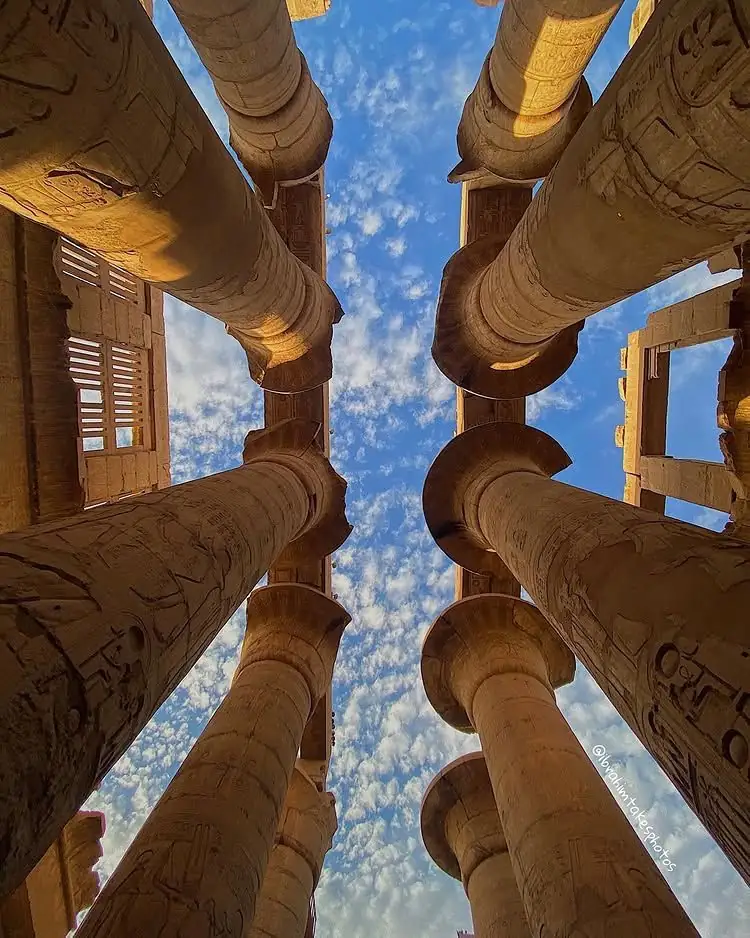
Cover the walls of any Egyptian temple and you'll find them: birds, eyes, water ripples, seated figures. Hieroglyphs aren't decoration, they're a full writing system, and understanding even the basics makes the monuments come alive.
Pictures that are also sounds
The clever, confusing thing about hieroglyphs is that the symbols work in more than one way at once. Some stand for sounds, like letters; some stand for whole words or ideas; and some are silent helpers that clarify meaning. A single inscription mixes all three, which is why it took so long to crack.
The Rosetta Stone
For centuries, nobody could read hieroglyphs. The breakthrough came with the Rosetta Stone, discovered in 1799, which carried the same text in hieroglyphs, a later Egyptian script, and Greek. By comparing them, the scholar Jean-Francois Champollion finally decoded the system in the 1820s, unlocking thousands of years of history.
Cartouches: spotting royal names
The easiest thing to spot yourself is a cartouche, an oval loop drawn around a group of symbols. It marks a royal name. Once your guide points one out, you'll start seeing the names of pharaohs like Ramesses everywhere, which is a genuinely fun way to read the walls.
Why it matters for your visit
Hieroglyphs turn a temple from a pretty ruin into a readable story of gods, kings and offerings. This is exactly where a good Egyptologist transforms a trip, translating the walls in front of you. The temples of Luxor and Karnak are covered in them; see our Karnak guide.
Want the walls brought to life? Every tour we run includes a licensed Egyptologist. Browse our Nile cruise journeys.
Cite this page
Ahmed Ibrahim (2025). “Egyptian Hieroglyphs Explained: How Ancient Egypt Wrote”. Egypt Top Light Travel. https://egypttoplight.net/blog/egyptian-hieroglyphs-explained.
You are welcome to quote or reference this page. A link back to the source is appreciated.