
Egyptian Mummies Explained: Why and How They Did It
Mummification was about eternity, not the macabre. Here's how the ancient Egyptians preserved their dead, and where to see them.
Mummies are the image many people have of ancient Egypt, but the reality behind them is less spooky and more moving: an entire civilisation's attempt to defeat death. Here's how and why they did it.
Why they mummified the dead
The Egyptians believed the soul needed a preserved body to live on in the afterlife. If the body decayed, the person's eternal existence was at risk. Mummification was, in their eyes, the most important preparation you could make, a passport to eternity.
How it was done
The process took around seventy days. Embalmers removed the internal organs, preserving some in special jars, and famously drew the brain out through the nose, since they didn't consider it important. The body was then dried out with natron salt for weeks, anointed with oils and resins, and wrapped in many layers of linen, with protective amulets tucked between them.
Not just for royalty
While pharaohs received the most elaborate treatment, mummification was available, in simpler forms, to anyone who could afford it. The Egyptians even mummified beloved animals, from cats to crocodiles, as offerings to the gods.
Where to see them
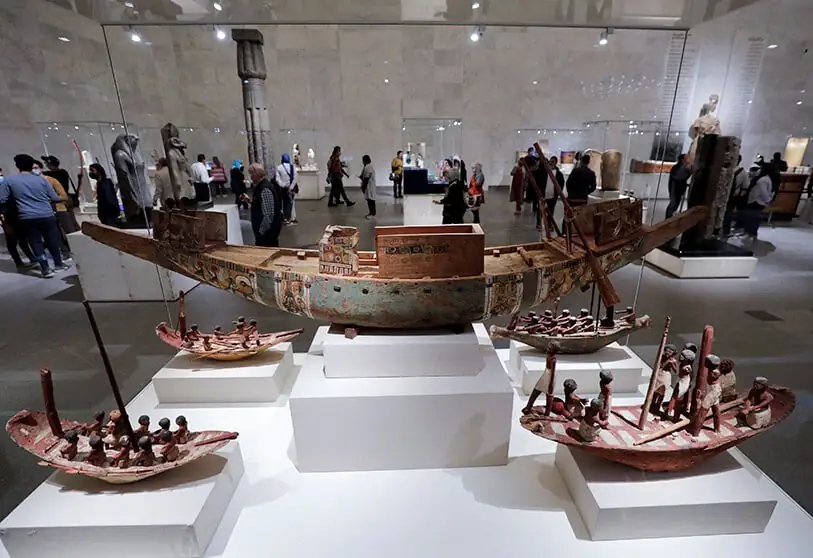
The Royal Mummies, including some of Egypt's greatest pharaohs, are displayed beautifully at the National Museum of Egyptian Civilization in Cairo, where they were moved in a spectacular 2021 parade. Seeing the actual faces of rulers who lived over 3,000 years ago is unforgettable.
On your trip
A good guide explains the beliefs behind the wrappings, which makes the experience fascinating rather than ghoulish. We can include the museum on your Cairo days. Browse our Cairo Highlights Escape or all tours.
Cite this page
Mostafa Ahmed (2025). “Egyptian Mummies Explained: Why and How They Did It”. Egypt Top Light Travel. https://egypttoplight.net/blog/egyptian-mummies-explained.
You are welcome to quote or reference this page. A link back to the source is appreciated.