
The Forgotten Pyramids of Kush: Nubia's Black Kingdom
Egypt isn't the only land of pyramids. South in ancient Nubia, the Black kingdom of Kush built more pyramids than Egypt ever did, and their story is finally being told.
Ask anyone to picture a pyramid and they think of Giza. But the greatest pyramid-building people, by sheer number, were not the Egyptians at all. They were the Nubians of the Kingdom of Kush, in what is now Sudan, and their story is one every heritage traveler should know.
How many pyramids are in Sudan?
More than 200, which is more than in all of Egypt. They stand in three main royal cemeteries along the Nile: el-Kurru and Nuri, near the old capital of Napata, and Meroë, further south. They were built over roughly a thousand years, from the 8th century BC into the 4th century AD, for the kings, queens and nobles of Kush.
The Kingdom of Kush: Key Dates
| Date | What happened |
|---|---|
| About 2500–1500 BC | Kerma, the first great Nubian kingdom |
| 8th–4th century BC | The Napatan era; royal pyramids at el-Kurru and Nuri |
| About 744–656 BC | Kushite kings rule Egypt as the 25th Dynasty |
| About 300 BC – AD 350 | The Meroitic era; the royal centre moves south to Meroë |
| 20s BC | Queen Amanirenas fights Rome and secures a favourable peace |
| 1830s | Giuseppe Ferlini smashes the tops off dozens of Meroë's pyramids |
| April 2023 | War begins in Sudan; travel there is not advised |
What makes the pyramids of Kush different
Nubian pyramids do not look like Giza's. They are smaller, usually somewhere between 6 and 30 metres tall, and far steeper, rising at around 70 degrees to a sharp point. Most have a small offering chapel built against the east side, decorated with carvings of the ruler and the gods. The burial itself lies in chambers cut into the rock beneath, not inside the pyramid.
Packed together on the sand ridges at Meroë, dozens of them at a time, they make one of the most striking ancient landscapes in Africa.
The three eras of Kush
- Kerma (about 2500–1500 BC) was the first great Nubian kingdom, rich enough to rival Middle Kingdom Egypt. Its mud-brick temple, the Western Deffufa, still stands.
- Napata (8th–4th century BC) was the age of the Black pharaohs. Kushite kings conquered Egypt and ruled it as the 25th Dynasty, then were buried under pyramids at el-Kurru and Nuri. Read their story in The Black Pharaohs: The Kushite Kings Who Ruled Egypt.
- Meroë (about 300 BC – AD 350) moved the royal centre south. The kingdom grew rich on iron, gold and trade between Africa and the Mediterranean, and developed its own writing, Meroitic, one of Africa's oldest scripts. Scholars can read its sounds, but much of the language is still not understood.
Kingdom of Kush achievements
- More than 200 royal pyramids, more than Egypt.
- Rule over all of Egypt as the 25th Dynasty.
- Large-scale iron production at Meroë.
- Meroitic, an independent African writing system.
- Powerful ruling queens, the kandakes. One of them, Amanirenas, fought Rome in the 20s BC and secured a peace on favourable terms. See The Warrior Queens of Nubia: The Mighty Kandakes.
Two groups of sites are UNESCO World Heritage: Gebel Barkal and the Sites of the Napatan Region, and the Archaeological Sites of the Island of Meroë.
Why many of Meroë's pyramids have no tops
In the 1830s an Italian treasure hunter, Giuseppe Ferlini, smashed the tops off dozens of Meroë's pyramids looking for gold. He found a queen's jewellery in one of them and set off a wave of looting. The flat-topped pyramids you see in photographs are largely his damage, not the original design.
Can you visit the pyramids of Kush today?
Not at the moment. Sudan has been at war since April 2023, and governments including the United States advise against all travel there. The good news for heritage travelers is that the Nubian story does not stop at the border.
Seeing Nubia from Egypt
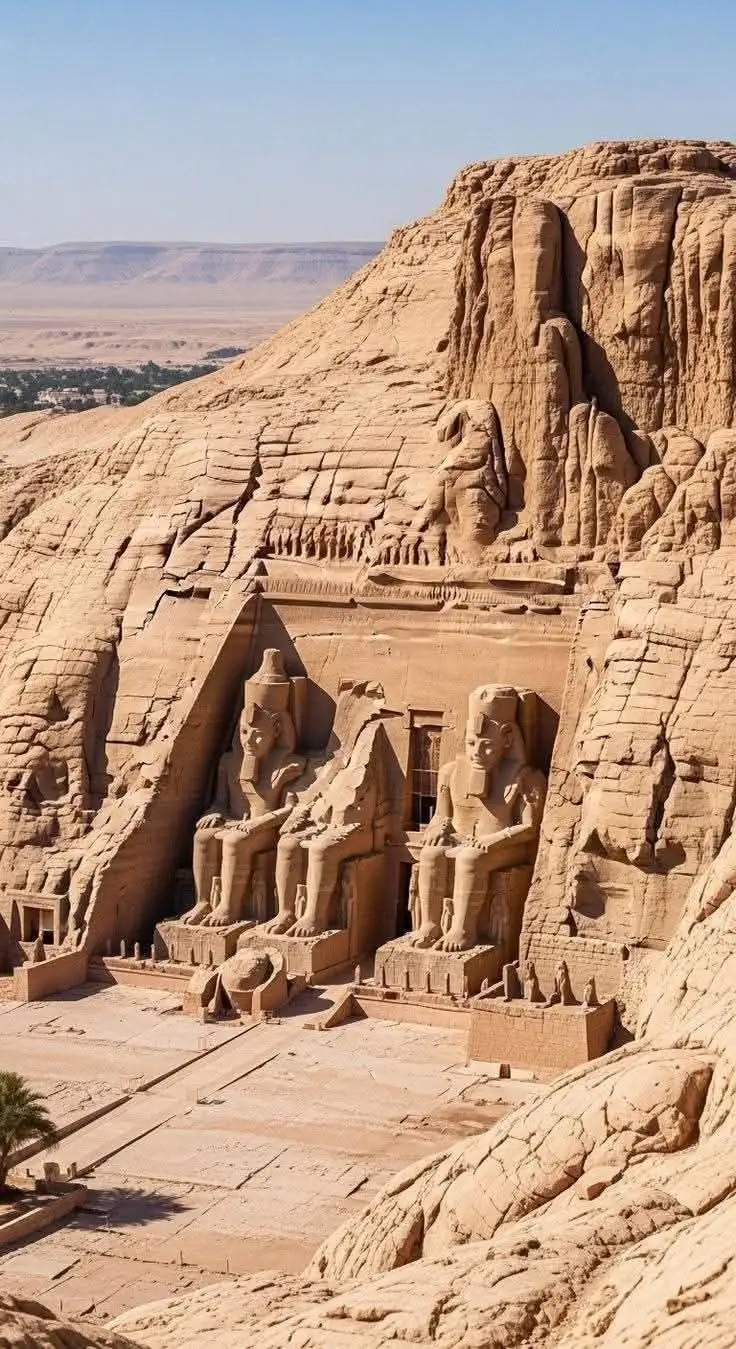
Southern Egypt was the northern half of the Nubian world. At Abu Simbel and Philae, in the Nubian Museum in Aswan and in the living Nubian villages along the Nile, you are standing in the borderland where Egypt and Kush met for three thousand years. At Karnak in Luxor, a column of the Kushite king Taharqa still stands in the first court. Read more in Nubia: The Ancient Black African Kingdom Beside Egypt.
To follow the Nubian story in Egypt instead, design a custom tour through Aswan, Philae and Abu Simbel, or read how our private Egypt tours work.
Trace the Nubian story on a heritage journey.
See our Nubia & Kemet tourFrequently Asked Questions
Did Nubia have more pyramids than Egypt?
Yes. The Kushite kings and queens of ancient Nubia built hundreds of pyramids, more than exist in all of Egypt, at royal cities like Meroe in what is now Sudan.
Can I see Nubian heritage in Egypt?
Yes. Southern Egypt, especially Abu Simbel, Aswan and the living Nubian villages, sits at the heart of the ancient Nubian world and is the closest most travelers get to the Kushite story.
How many pyramids are in Sudan?
More than 200, in the royal cemeteries of el-Kurru, Nuri and Meroë. That is more than in all of Egypt.
Can you visit the pyramids of Meroë today?
Not at the moment. Sudan has been at war since April 2023 and governments including the United States advise against all travel there. Southern Egypt, including Abu Simbel, Aswan and Philae, is where travelers can explore the Nubian story now.
Cite this page
Mohamed Hassan (2026). “The Forgotten Pyramids of Kush: Nubia's Black Kingdom”. Egypt Top Light Travel. https://egypttoplight.net/blog/meroe-sudan-nubian-pyramids, updated 13 November 2026.
You are welcome to quote or reference this page. A link back to the source is appreciated.