
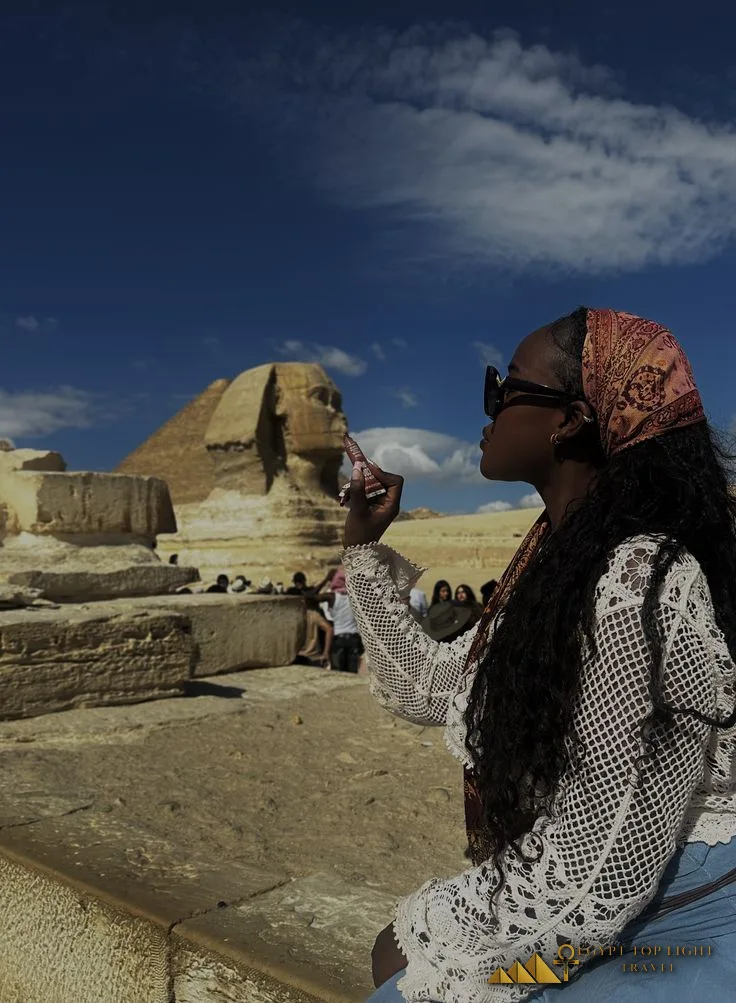
Is Egypt Safe for Black Travelers? An Honest Answer From Our Team in Giza
Yes — Egypt is safe for Black travelers, and with the right setup many of our guests describe it as the most affirming trip they have taken. Our Giza-based team has hosted Black American groups, couples and solo travelers for years, and the honest picture is this: the welcome is genuinely warm, staring does happen and is almost always curiosity rather than hostility, colorism exists as it does in much of the world but is not the norm, and vendor pressure is the one real annoyance — an energy tax that targets every tourist of every color. A private licensed Egyptologist and driver remove nearly all of it, because vendors stand down when you are visibly hosted and prices are agreed before you arrive. Almost every bad experience you will read about online happened to someone travelling with no local support.
It's the question we get asked more than any other by travelers from the States, usually quietly, at the end of an email: "Be honest with me. Is Egypt safe for Black travelers?" We're a Giza-based team that has hosted Black American groups, couples and solo travelers for years, so here is the honest, on-the-ground answer: yes, with the right setup, Egypt is not just safe for Black travelers. For many of our guests it becomes the most affirming trip of their lives. But you deserve the full picture, not a brochure, so let's talk about all of it, including the parts most tour companies won't touch.
How Black travelers actually experience Egypt
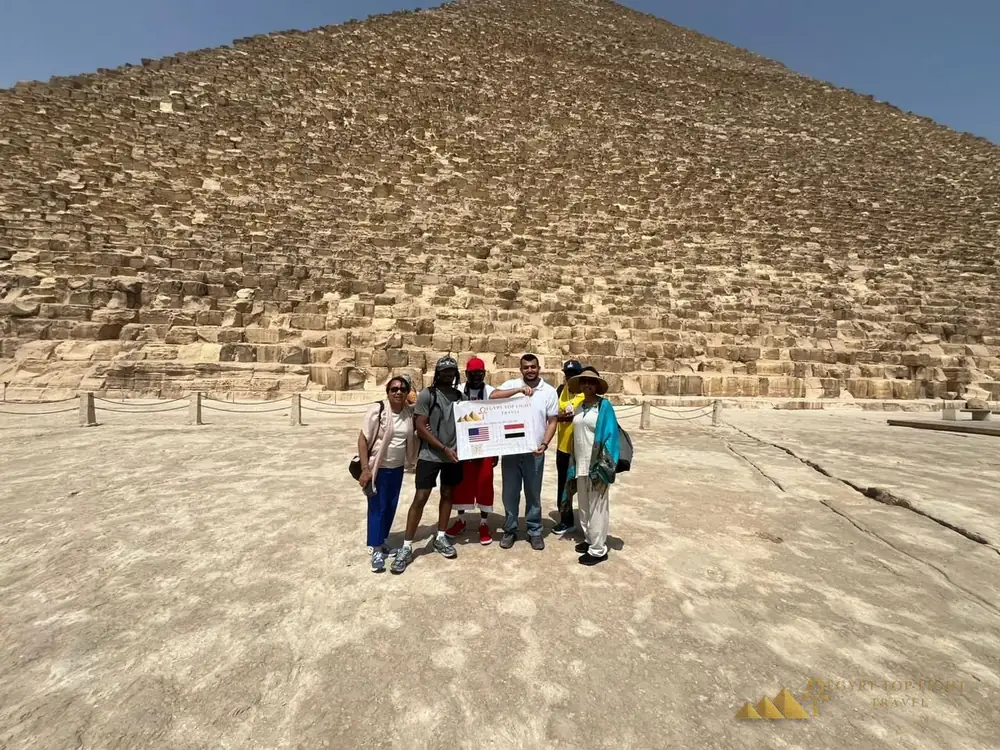
Egypt sits on African soil, and for many of our African American guests that fact lands physically the moment they step onto the Giza Plateau. Guests from our USA groups often tell us the same two things: they expected the history to move them, and they did not expect to feel so *seen*. Egyptians are famously warm hosts, and Black visitors are often met with curiosity that reads as kinship rather than othering: handshakes, jokes, invitations to tea, aunties waving from balconies.
That's the real baseline. Most of the anxiety in those late-night Reddit threads comes from travelers who went in with no local support and got worn down by hassle, which is a real thing, so let's cover it properly.
The honest stuff: staring, colorism and hassle
We won't pretend these don't exist.
- Staring. You will get looks, especially outside tourist zones. The overwhelming majority is curiosity, not hostility. Braids, locs and bold styles get compliments more often than comments.
- Colorism. It exists in Egypt as it does in much of the world. You may occasionally hear an ignorant remark, most often aimed at darker-skinned travelers. It is not the norm, it is not everywhere, and our guides shut it down instantly when it happens within earshot.
- Vendor pressure. This is the number one real annoyance, and it targets every tourist of every color: persistent sellers, "free gifts" that aren't free, inflated camel-ride prices. It's an energy tax, not a danger.
Why a private guide changes everything
Here's the honest mechanics of it. Nearly every bad experience you'll read about online, being followed at the pyramids, overpaying triple for a felucca, feeling stranded at the airport, happens to travelers wandering solo through high-pressure zones. A private, licensed Egyptologist and driver change the equation completely: vendors stand down when you're clearly hosted, prices are agreed before you arrive, and there's always a local in your corner who knows exactly what's normal and what isn't.
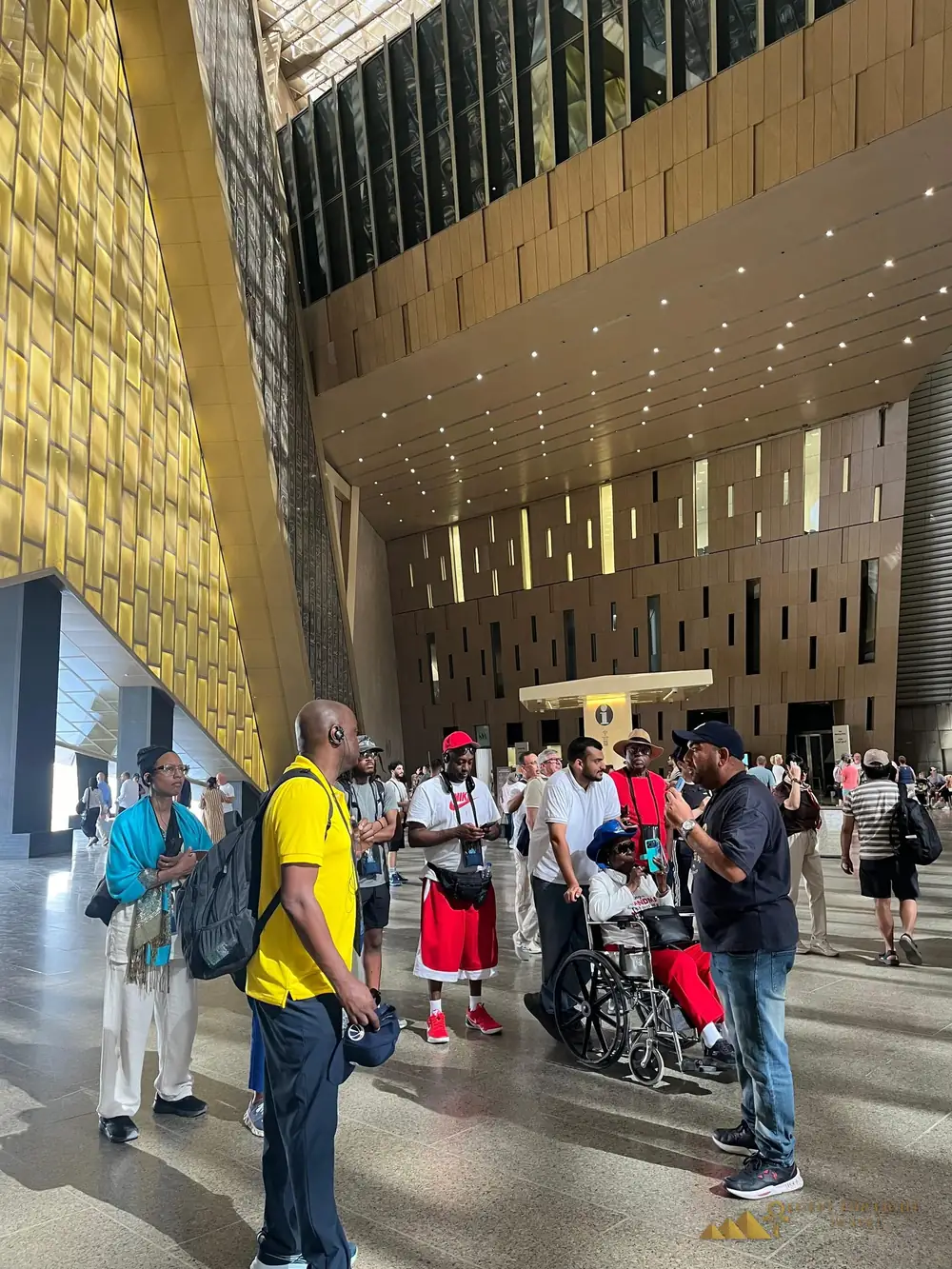
This is also where cultural framing matters. A guide who understands why you came, who can stand with you at Karnak and talk about Kemet, "the Black Land," and the Nubian kings without you having to drag it out of them, turns sightseeing into something closer to homecoming. That framing is the heart of how we train our team. Read more in our guides to Kemet, Egypt's original name and Nubia's ancient Black kingdom.
Safety by place: Cairo, Luxor, Aswan and the Red Sea
- Cairo & Giza. The tourist zones are heavily protected, with dedicated tourism police at every major site. Downtown at night is lively and generally fine in busy areas; take an Uber or your driver rather than wandering unlit streets, exactly as you would in any big city.
- Luxor. Relaxed, tourism-savvy, and used to international visitors. The West Bank sites are open, calm and well-patrolled.
- Aswan & Nubia. Many of our Black guests call Aswan their favorite stop in all of Egypt: it's the gateway to Nubian culture, the pace is gentle, and the welcome in the Nubian villages is famously warm.
- The Red Sea (Hurghada & Sharm). Resort towns built around tourism, with the most relaxed dress codes and the least hassle in the country.
For Black women traveling solo
Most of the "is it safe?" messages we receive come from solo Black women, so here is the direct version. Cat-calling exists in Egypt, and being visibly foreign can add attention. Hosted travel neutralizes most of it: you're met at the airport by name, your driver and Egyptologist bracket every day, and you're never left figuring out a night arrival alone. Dress modestly-ish (shoulders and knees covered gets you smoothly into mosques anyway), keep evenings to busy areas or your hotel, and let your guide play interference, it's what they're there for. We wrote a fuller guide in Egypt for Black solo female travelers.
How we host you at Egypt Top Light
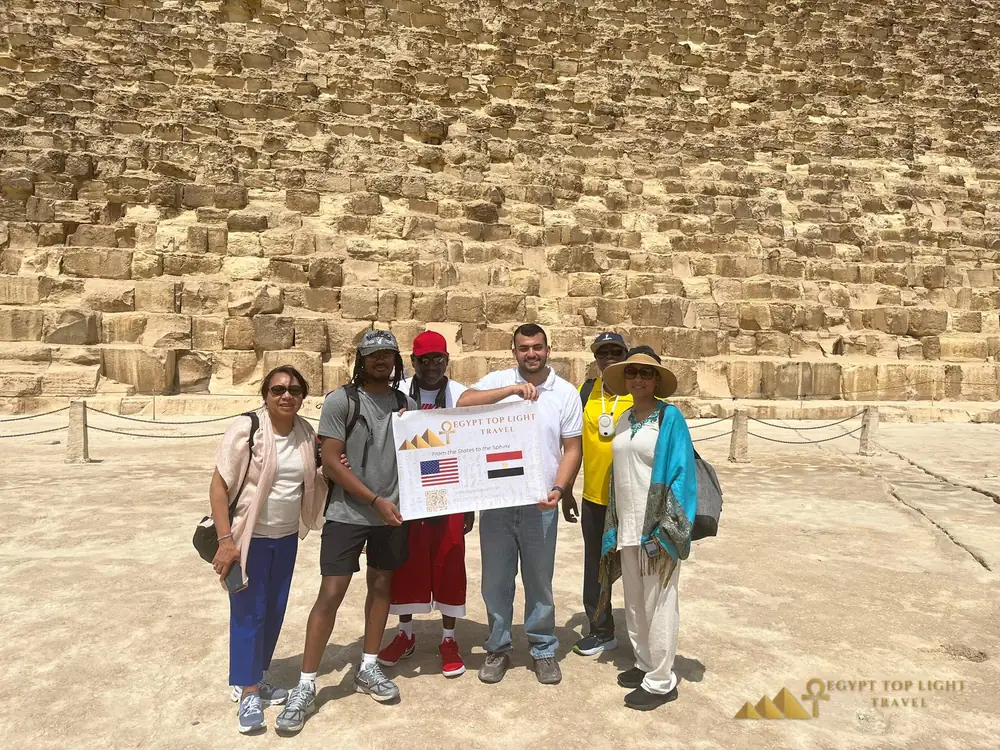
We're not a coach-tour machine. Every trip is private: your group only, a licensed Egyptologist who teaches the African context of this history, a dedicated driver, and a team in Egypt on WhatsApp around the clock. We've hosted more than 12,000 guests since 2010, including Black travel groups, family reunions, church groups and solo travelers from across the United States, and we're rated 4.8/5 on TripAdvisor.
Want a trip where you're hosted like family from the moment you land?
Tell us your dates and interests, and a licensed Egyptologist will design a private heritage tour around you, from Kemet's temples to the Nubian villages of Aswan.
See the African American Group TourThe bottom line
Egypt is a rewarding, welcoming destination for Black travelers, and with genuine local support it is comfortably safe. The history is yours to stand in, the welcome is real, and the hassle is manageable, especially when someone who knows the ground is walking it with you. If you are travelling solo, our Black Women's Solo-Friendly Egypt Tour is built around exactly these concerns — 7 days, private guide, solo-friendly pricing. For itinerary ideas, see our guide to African American tours to Egypt.
This is general guidance; always check your government's current travel advice before you travel.
Frequently Asked Questions
Is Egypt safe for Black travelers right now?
Yes. Egypt's major tourist areas are heavily protected, and Black travelers are overwhelmingly met with warmth. The main real-world annoyance is vendor hassle, which affects all tourists and largely disappears when you travel with a private licensed guide.
Will I experience racism in Egypt as a Black traveler?
Most guests report feeling genuinely welcomed, and many describe a sense of kinship. Staring (usually curiosity) and occasional ignorant remarks can happen, as they can in most countries, but hostility is rare and our guides address anything that arises immediately.
Is Egypt safe for Black women traveling solo?
With hosted travel, yes. You're met at the airport by name, escorted by a licensed Egyptologist and private driver throughout, and supported 24/7 by our team in Egypt. Dressing modestly and keeping evenings to busy areas covers the rest.
Do I really need a guide, or can I explore Egypt independently?
You can travel independently, but nearly all the negative stories online come from unhosted travelers dealing with vendor pressure and price games alone. A private Egyptologist removes the hassle, adds the African-centered historical context, and costs less than most travelers expect.
Which part of Egypt do Black travelers love most?
Aswan is the most common answer among our guests: it's the gateway to living Nubian culture, the pace is gentle, and the welcome is famously warm. The Giza Plateau and the Grand Egyptian Museum are the other universal highlights.